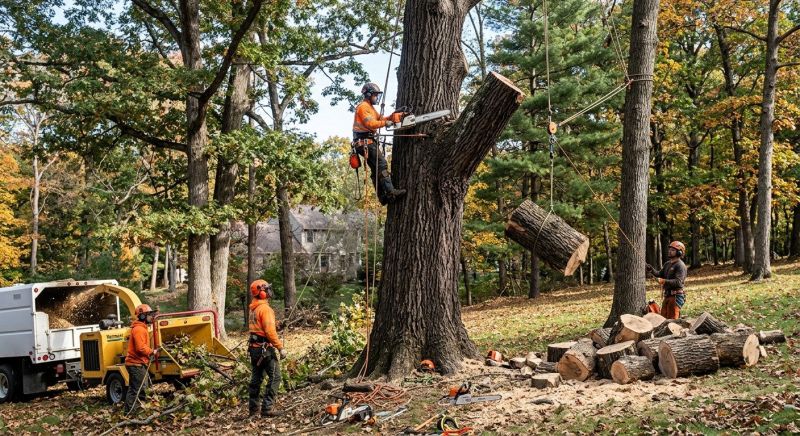
Hickory Tree Removal in San Jose, CA
Hickory tree removal services involve the careful removal of unwanted or hazardous trees from residential properties. This process is often requested for trees that are diseased, damaged, or growing too close to structures, utility lines, or other trees. Property owners typically seek this service to improve safety, prevent property damage, or to prepare for landscaping projects. It is important to understand the size, location, and condition of the tree before requesting removal, as these factors influence the scope and approach of the work.
Before requesting Hickory tree removal, property owners should consider any potential impact on surrounding landscaping or structures, as well as any local regulations or permits that may be required. Clarifying the reason for removal, such as safety concerns or aesthetic improvements, can help ensure the service meets expectations. Additionally, understanding the overall health of the tree and its proximity to power lines or buildings can assist in planning a safe and efficient removal process.
Many property owners in San Jose, CA look into Hickory Tree Removal for repairs, replacements, upgrades, and appearance-related improvements.
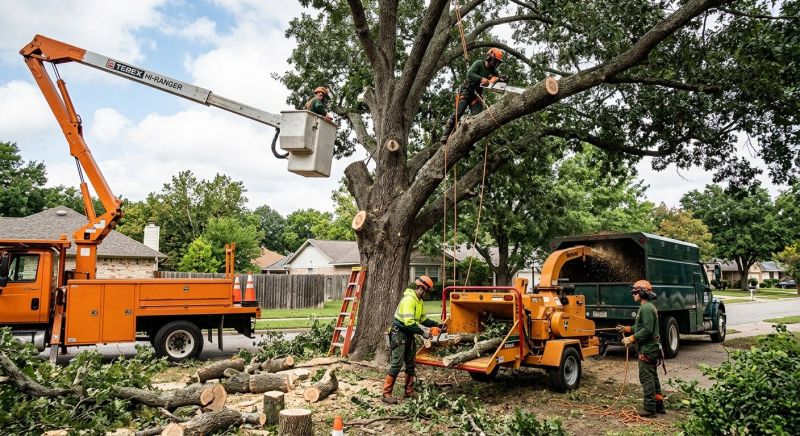
Safe Tree Removal
Removing hazardous or damaged trees to protect property and safety.
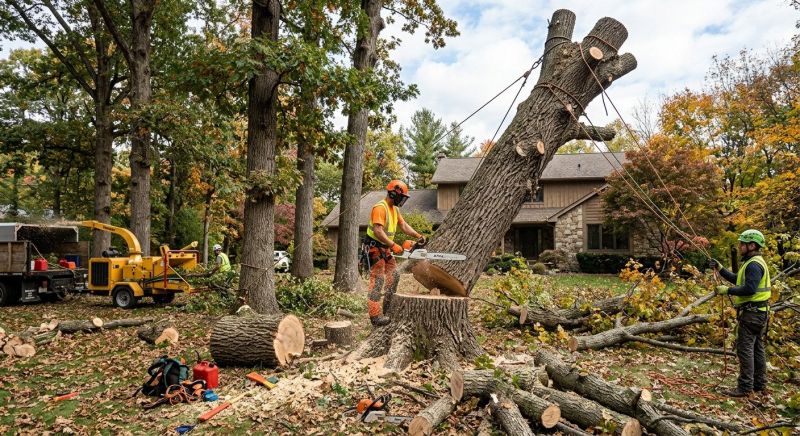
Stump Grinding & Cleanup
Eliminating tree stumps to improve landscape appearance and prevent pests.
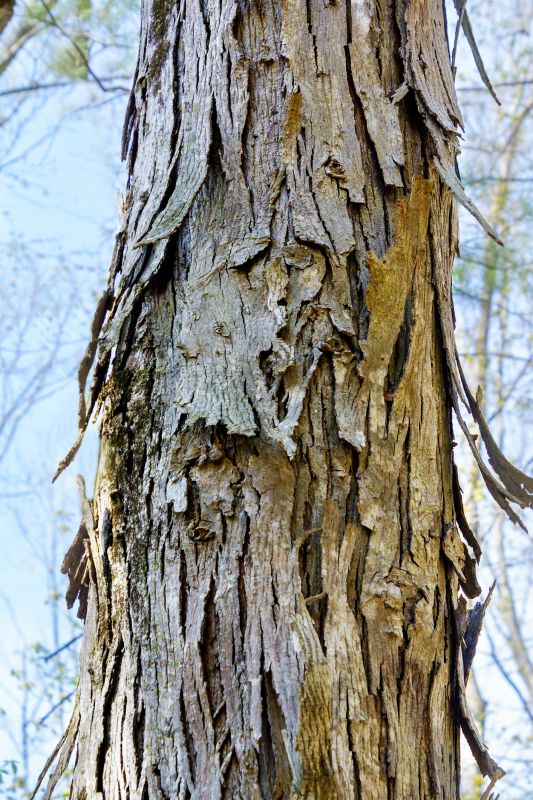
Tree Health & Maintenance
Assessing and maintaining tree health to ensure longevity and stability.
Hickory Tree Removal in San Jose, CA
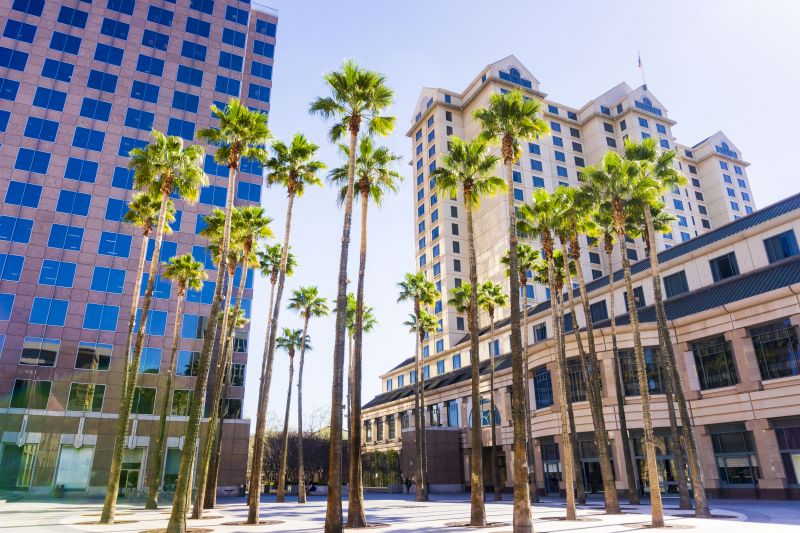
Hickory tree removal services involve the careful removal of unwanted or hazardous trees from residential properties. This process is often requested for trees that are diseased, damaged, or growing too close to structures, utility lines, or other trees. Property owners typically seek this service to improve safety, prevent property damage, or to prepare for landscaping projects. It is important to understand the size, location, and condition of the tree before requesting removal, as these factors influence the scope and approach of the work.
Before requesting Hickory tree removal, property owners should consider any potential impact on surrounding landscaping or structures, as well as any local regulations or permits that may be required. Clarifying the reason for removal, such as safety concerns or aesthetic improvements, can help ensure the service meets expectations. Additionally, understanding the overall health of the tree and its proximity to power lines or buildings can assist in planning a safe and efficient removal process.
Many property owners in San Jose, CA look into Hickory Tree Removal for repairs, replacements, upgrades, and appearance-related improvements.
Common Hickory Tree Removal Jobs
Hickory Tree Removal - Safely removes hazardous or unwanted hickory trees from residential properties.
Tree thinning and pruning - Enhances tree health and appearance through strategic trimming.
Stump grinding - Eliminates remaining tree stumps to improve yard safety and aesthetics.
Emergency tree removal - Provides prompt services for storm-damaged or fallen trees.
Selective tree removal - Removes specific trees to prevent interference with structures or power lines.
Complete tree removal - Clears entire trees that pose risks or no longer serve a purpose.
Hickory Tree Removal Questions
What are signs that a tree needs removal? Indicators include dead or dying branches, visible decay, leaning, or roots causing damage to structures.
Why should a tree be removed before it becomes a hazard? Removing a potentially dangerous tree helps prevent damage to property and reduces safety risks.
What types of trees are commonly removed? Commonly removed trees include those that are diseased, damaged, invasive, or obstructing construction or view.
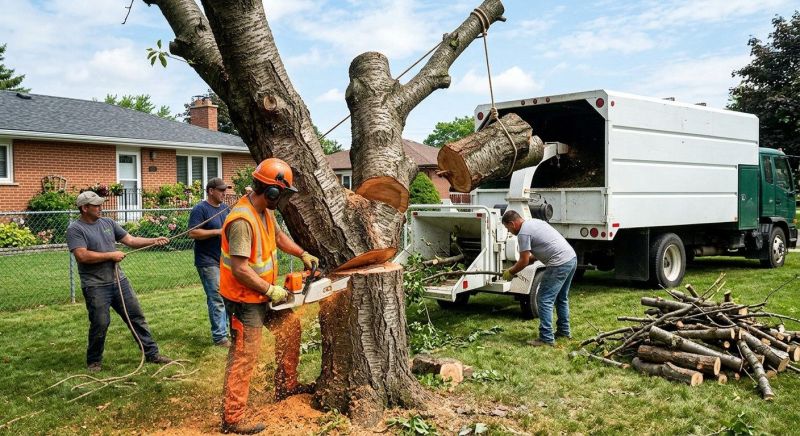
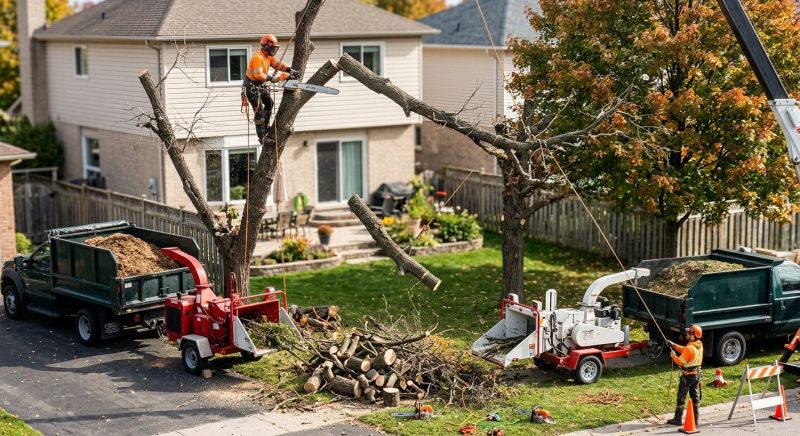
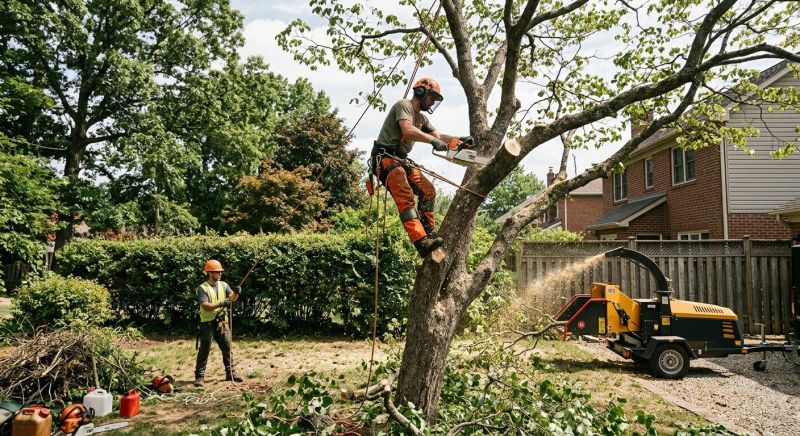
How does the removal process typically work? The process involves assessing the tree, planning the removal, and carefully cutting it down while managing debris and safety considerations.
Request Hickory Tree Removal in San Jose, CA
Use the quote form on this page to share the basics of your project and request more information for the type of work you need.